Narrative
works
works
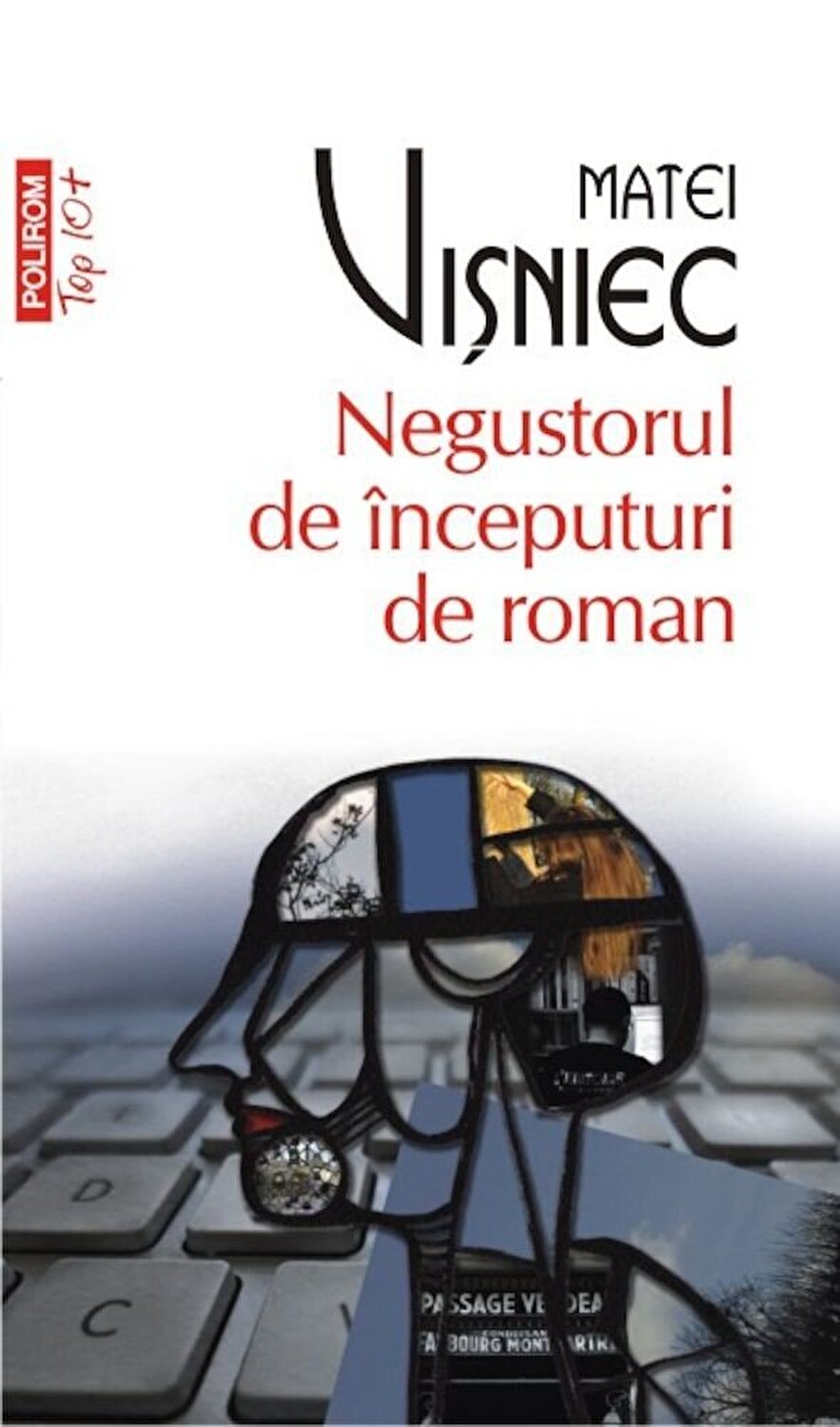
The Merchant of Novel Beginnings is the latest novel published by Matei Visniec and is a veritable social fresco in which several seemingly connected stories revolve around the same concept: addiction to the illusion of a beginning.
"Contemporary man, having become a genetic mutant of consumer society, is more than obsessed with beginnings, he is hungry for beginnings. Nothing ontological or metaphysical in his rush for beginnings, just a flight from responsibility, an avoidance of deep involvement, a pleasure in surfing the surface of life. (...) This is the starting point of my novel, in which I try to observe the evolution of a new kind of social drug: addiction to the illusion of beginnings. And why not write, in a world where only beginnings are tempting, a novel made up only of beginnings?"
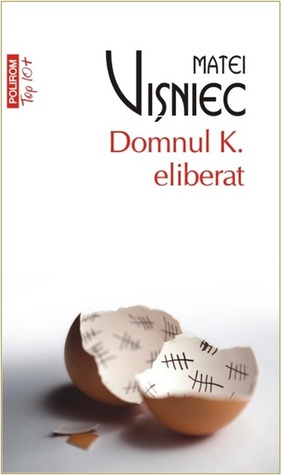
Mr. K. Liberated is inspired by Kafka's novel The Trial, except that Vișniec's hero faces a reverse trauma, liberation. The narrator takes over the absurd and uncertain atmosphere of Kafka's literature, creating a situation in which the condemned man refuses to accept his freedom
One cannot talk about this novel without mentioning the context in which it was conceived and its valence with the author's reality. In the preface to the novel, Matei Vișniec states that "This book is, however, also linked to a certain moment in my life: leaving Romania in 1987. (...) But when I arrived in Paris, I felt a shock, the shock of freedom. It was as if I had just come out of prison and I didn't know what to do with my freedom. I suddenly felt like Kafa's character, but experiencing a trauma in reverse, in other words, not the shock of arrest, but the shock of release."
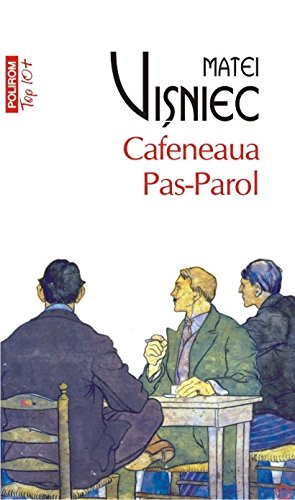
In a banal provincial town, nothing disturbs the monotonous rhythm of life, until the day Mihail Iorca wakes up with the certainty that there is a dead man in the pension where he lives. From that moment on, all sorts of strange things happen and fear slowly settles in the souls of the inhabitants. The mind of Mr. Hamburda, the president of the court, begins to work independently of his will, a famous baritone is hit and loses his eye because he falsely sang a carol, the narrator hears and transcribes the "voices of the town"... As events unfold, the reader realises that many of these things may have happened to him not so long ago in Romania under dictatorship, where fear was all-pervasive. This is also the reason why the novel Café Pas-Parol, written in 1983, could not be published until after the fall of communism.
The Café Saint-Médard seems like a contemporary Tower of Babel, around which a host of authors gravitate and which is patronised by Mr Cambreleng, a publisher without a publishing house. One day, overwhelmed by the hundreds of "pages of words" written by authors eager for literary glory, in a world where image and sound reign, Mr Cambreleng decrees the death of words. His main passion becomes the collection of dead books, which fill bookshops turned into slaughterhouses by readers blind and deaf to the suffering of unread books. In a Paris overwhelmed by the personalities that have inhabited it and its glorious history, unusual events take place, invisible to the untrained eye: a poem conquers the planet, a cat keeps a diary, a love story gets out of control, dreams escape into reality and all the inhabitants are unwillingly transformed into characters.
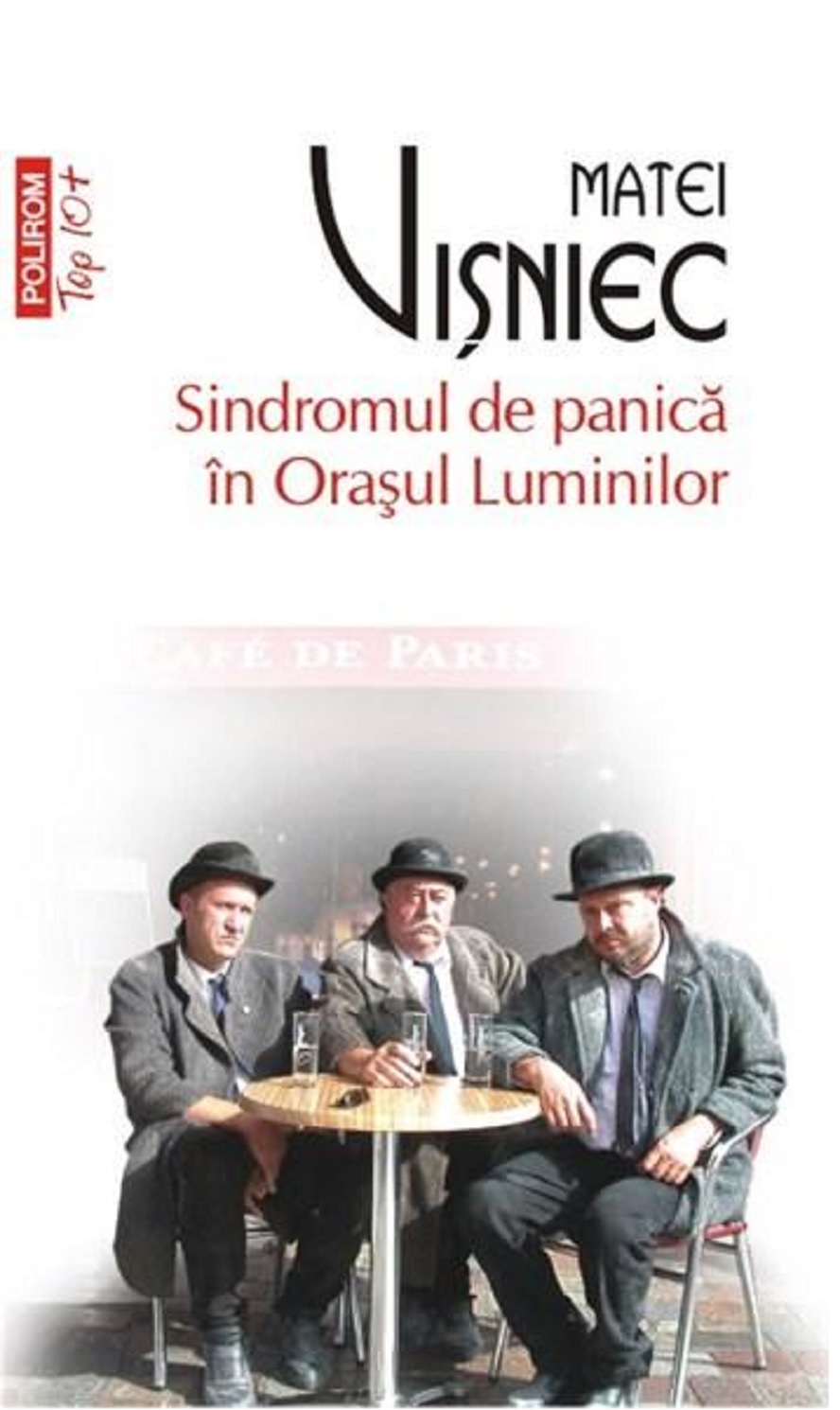
Written in the first person and in the present tense this novel resorts largely to the journalistic style. It is also intended as a reflection on the astonishing phenomenon of modern-day over-information. Because paradoxically the overinformed man is also a paralyzed one. Since he has been "informed" since he has been soaked with political, economic, social and worldly news, the man-mastina no longer feels the need to act, he has a conscience and a feeling that he has done his duty as a citizen... he sits in front of the TV to watch a movie or an entertainment show which helps him digest and evacuate the ingested civic information. How we have gone from one extreme to another - from the man paralyzed by censorship during communism to the man paralyzed by information overload nowadays - this is a mechanism that only the irony of history can produce. Matei Visniec, himself a radio journalist (he worked between 1988 and 1989 for the BBC and since 1990 for RFI), tries to sketch in a novel-manifest an x-ray of these new forms of brainwashing.
The typology established by Matei Vișniec, which gives his new novel its title, also includes readers. There are shoe-type readers and umbrella-type readers. The shoe-type reader is disciplined and patient, trusts the author, starts the book from the first word and closes it after reaching the last, without having skipped a comma. The umbrella reader watches anxiously the play of words, skips through the book, turns back to some passages, crosses others diagonally, only delves deeper if the text captivates him or her and, not infrequently, ends the book by reading the beginning. Reading this travel novel - through the world of ideas, through the history of theatrical mystery, but also through the miraculous land of Provence - will act as a test. Feel free to follow your instincts and try to discover whether you are a shoe-in or an umbrella reader.